
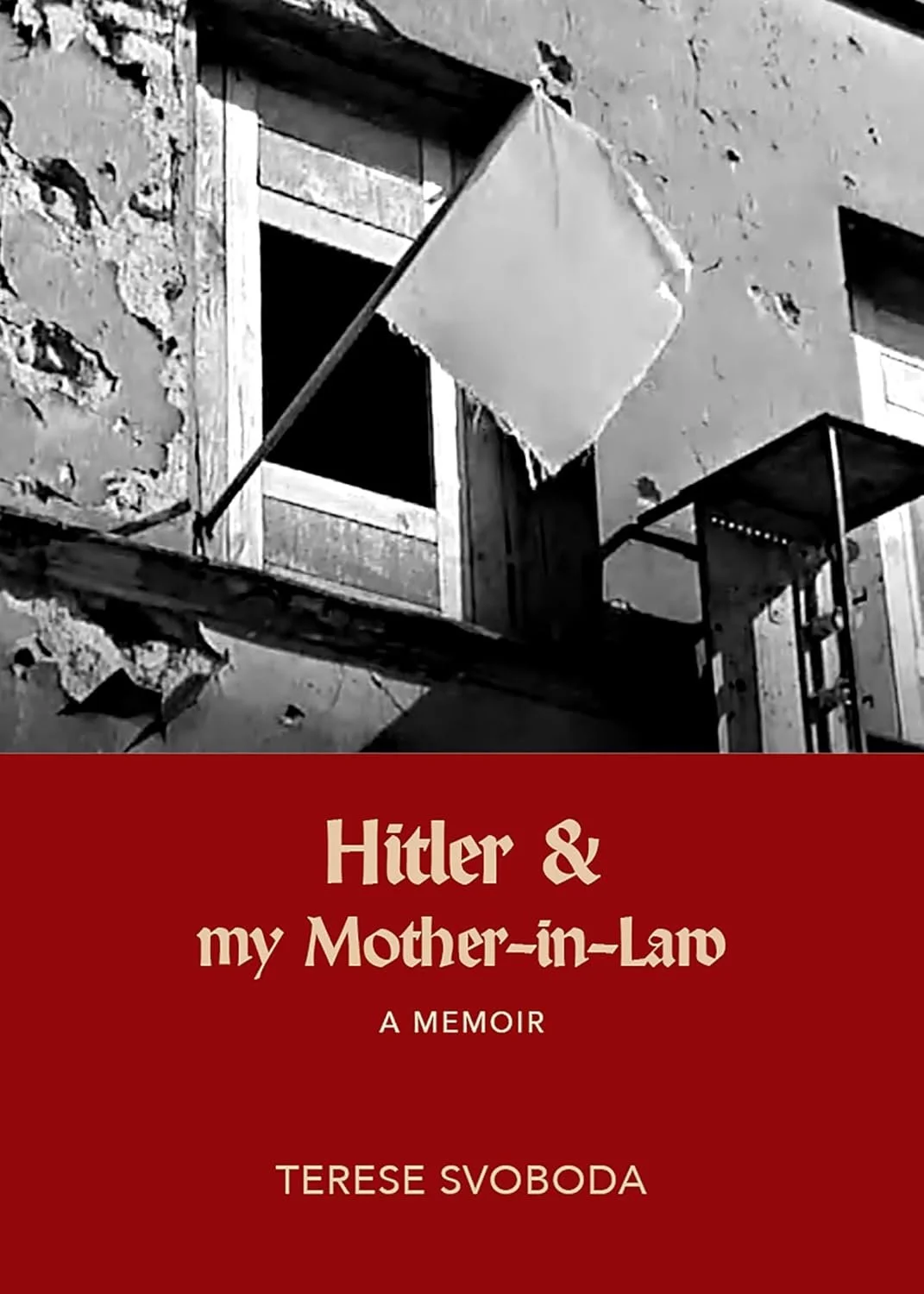
A conversation with Terese Svoboda about her latest book, writing through uncertainty, and using humor to face the unbearable truths that history leaves behind.
FICTION | NONFICTION | POETRY |
TRANSLATION
SUBMIT STORE DONATE OPPORTUNITIES
OUR LATEST ISSUE
INTERVIEWS WRITERS WE PUBLISH

All in Interview
A conversation with Terese Svoboda about her latest book, writing through uncertainty, and using humor to face the unbearable truths that history leaves behind.
“A couple of years ago, you invited me to edit one of your issues, and that was a very different experience. For the first time I was not the one asking to be published. I was the one reading submissions of people who would like to be published. And being on this side of the process, I took the job very seriously. I wanted to do for writers what other writers and editors had done for me.”
“I think what's important is to look at your own obsessions, whether it's a family tale that you remember and wonder about, like some missing great grandmother whom you’ve heard stories about, or maybe something happened in your town years ago, and you thought, well, that's a weird story. Some people find their material in a newspaper or a magazine. Ask yourself: What's the story you tell a lot?”
"My stories often start with some image or moment that stays with me... It could be something I experienced, or a conversation I overheard, or the way someone looked at someone else… I will usually just start writing toward that image or moment and build from there."
“There is often a bleakness that permeates Hebrew fiction, and certainly a much darker sense of humor, a lot of sarcasm and irony, as well as self-deprecation. These are less prevalent in most English writing…”
"If I were to even write it today, it would be a very different book. It might be better in some ways, but it would be probably less emotionally true to how I was feeling."
“Writing really resists optimization and that’s partly why I love it. It makes me reevaluate how I conceive of ‘time well spent.’”
“It doesn't get easier, I thought it would along the way.”
“The door didn’t open every day, but every time it did, I pushed it as far as it would go.”
“I have known these compelling yet repellent men. Haven’t you?”
“Writing poetry has trained my eye and ear to look and listen to my day with deep attention.”
“Each translation has its own personality- and should have.”
"…I’m just sort of putting my ear against the thing and trying to discern its heartbeat…”
“Walmart making its own insulin, like, really gives me chills.”